Omitted From History and ALL Schools Text Books are Many BlackInnovators Who Contributions are Undeniable To This Unite States of America
The United States of America overlooked and in other cases purposely attempted to Erased several Black geniuses and inventors from textbooks and history. Many Black Contributors to America were intentionally omitted. From College Universities, High Schools and Elementary School Text Books. But here in **The Intuitive Thinkers One Stop One Shop Store**All People**viewers will know of them. I, too, Dr. Melvaughn Thompson stand from their shoulders my Black Ancestry.
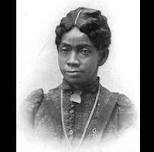
Sarah E. Goode
One of the first African-American women to receive a U.S. patent for the making of a folding cabinet bed.
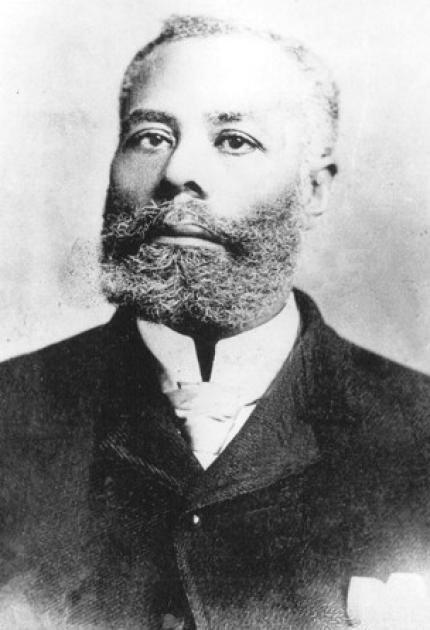
Elijah McCoy
Inventor of the automatic engine lubricator, essential for trains and factories. Elijah McCoy (1844–1929) was a prolific Canadian-American inventor and mechanical engineer who revolutionized industrial machinery with his 1872 invention of an automatic lubricator for steam engines. Born to former slaves who escaped to Canada via the Underground Railroad, he studied in Scotland before overcoming racial barriers to improve train efficiency, leading to the phrase “the Real McCoy”. Over his lifetime, he held over 57 patents, including improvements to the lubricator, a folding ironing board, and a lawn sprinkler. In 2012, the U.S. Patent and Trademark Office named its first regional office in Detroit, Michigan, in his honor.
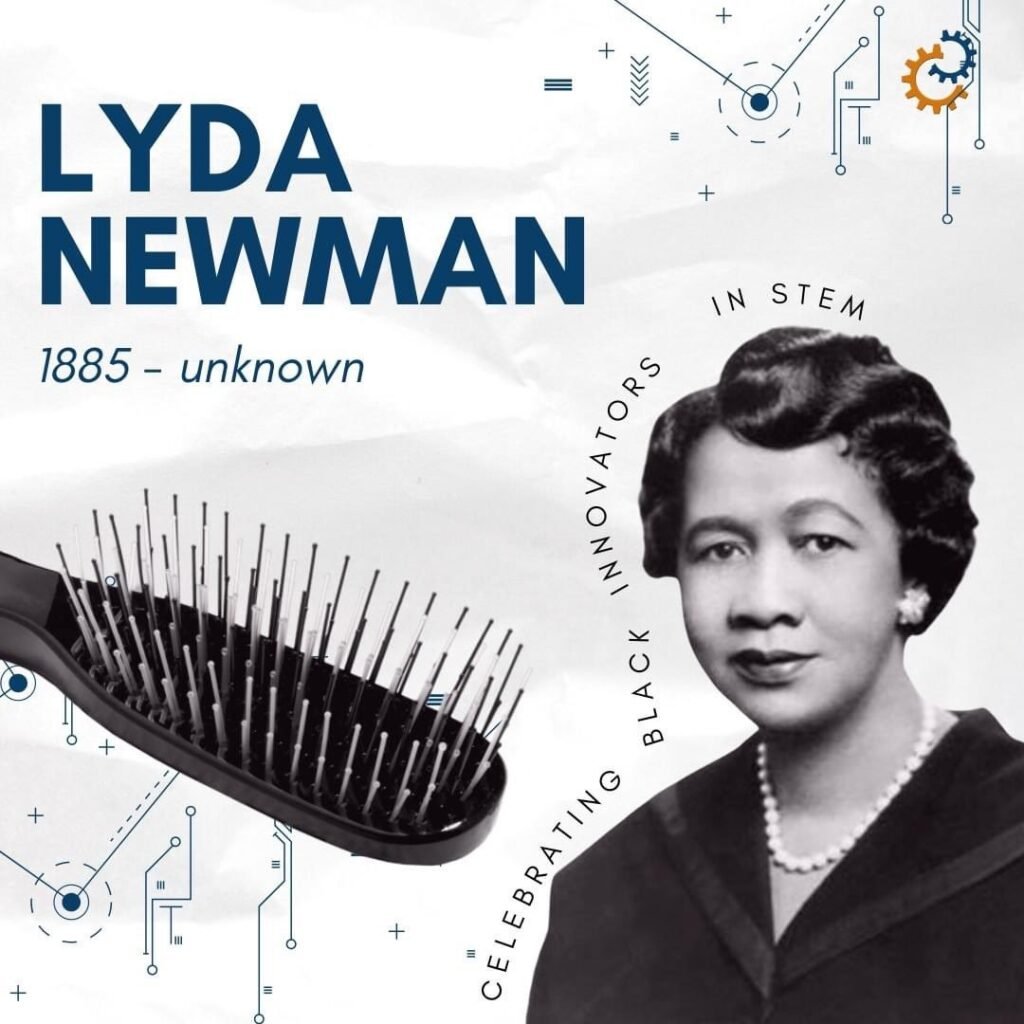
Lyda Newman
Patented an improved, durable hairbrush design. Inventor Lyda Newman was just 13 years old when her invention was patented in 1898? This young African American hairdresser who patented a revolutionary, easy-to-clean hairbrush with synthetic bristles designed in 1898 when she was 13, becoming one of the youngest first Black women to receive a U.S. patent and later becoming a women’s rights advocate. Her innovative design featured a removable back and synthetic fibers, making it more hygienic and effective for styling textured hair than brushes with animal hair. For White People Hair.
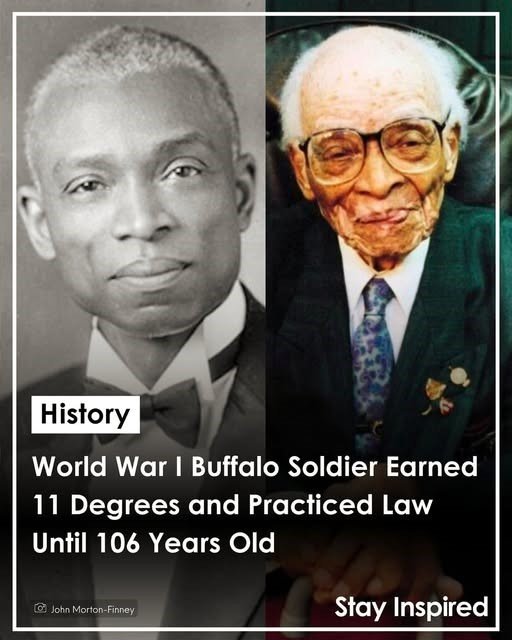
Mr. John Morton-Finney
John Morton-Finney lived an extraordinary life. He was born in 1889, and he faced barriers that made education and professional success difficult. But he never stopped trying. He served in the U.S. Army as a Buffalo Soldier with the 24th Infantry Regiment, went on to earn 11 college degrees, taught for 47 years, and became a lawyer later in life. John passed away on January 28, 1998. He spent more than a century learning, teaching, and working in the law. He kept going when most people would have stopped. Few people know his story, but it shows what a lifetime of persistence can look like.
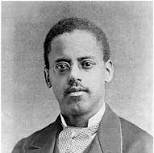
Lewis Howard Latimer
The (light bulb carbon filament) inventor while Edison is credited with the light bulb, Latimer invented the carbon filament in 1881, which made light bulbs long-lasting and affordable for the general public.
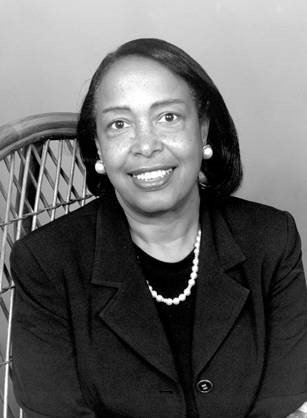
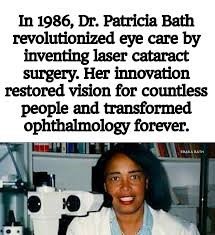
Dr. Patricia Bath
A pioneering African American ophthalmologist, inventor, and academic who revolutionized eye surgery by inventing the laser-probe to treat cataracts. She was the first Black woman doctor to receive a medical patent and the first woman to lead an ophthalmology residency program. Her mother, encouraging her dreams and love of science, had bought her first chemistry set.
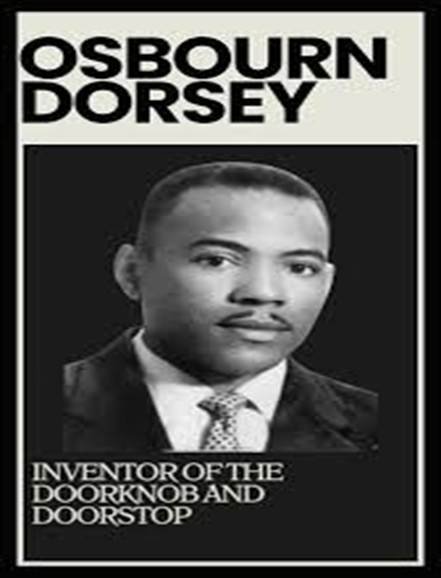
His work is recognized as a significant contribution to household safety and daily life, particularly at a time when Black inventors faced major obstacles in patenting their work. He was a 16 or 17-year-old African American inventor who patented an improved door-holding device (doorknobs) and doorstops in 1878 while living in Washington D.C. His invention replaced insecure latches and leather straps with a safer, cast-iron latching system on doors. The Doorknob significantly advance home security with offering this new door hardware.
Garrett Morgan
Invented the three-position traffic signal in 1923, adding the “yellow” light to warn drivers to slow down. He also created the safety hood (a precursor to the gas mask) used to save workers in tunnel explosions. Garrett Morgan
Marie Van Brittan Brown
Patented the first home security system in 1966. Her design included peepholes, a sliding camera, a two-way microphone, and a remote door-unlocking feature.
James E. West
Co-invented the foil electret microphone in 1962. This technology is still used in 90% of all microphones today, including those in smartphones, hearing aids, and laptops.
Mark Dean
A computer engineer at IBM who holds three of the nine original patents for the IBM Personal Computer. he also developed the first gigahertz chip and the color PC monitor.
Patented automatic elevator doors in 1887. Before his invention, doors had to be closed manually, which led to many people accidentally falling down elevator shafts.
Alice Parker
She was a very high bright Black Woman Who Patented a natural gas central heating system in 1919, which paved the way for modern home heating and reduced the reliance on dangerous wood-burning fireplaces.
Frederick McKinley Jones
Invented portable cooling units for trucks and trains in 1940. This revolutionized the transport of perishable food and was vital for transporting blood and medicine during
WWII.
Sarah Boone
Improved the ironing board in 1892 by adding a narrow, curved design specifically tailored for ironing the sleeves and contours of women’s clothing. Sarah Boone
Jan Ernst Matzeliger
Revolutionized the shoe industry by inventing the shoe-lasting machine in 1883, which attached the upper part of a shoe to the sole in under a minute.
Otis Boykin
Born (August 29, 1920, in Dallas, Texas, U.S.—died March 26, 1982, Chicago, Illinois) was an African American electrical engineer and inventor whose improvements to resistors—components that resist the flow of electrical current—helped advance the function control of electronic circuits in a variety of . Boykin patented as many as 26 devices. He is best known for inventing multiple different electronic control devices in guided missiles, IBM computers, and in the pacemaker. One of his early inventions was an improved wire resistor, which had reduced inductance and reactance, due to the physical arrangement of the wire.
Marian Rogers Croak
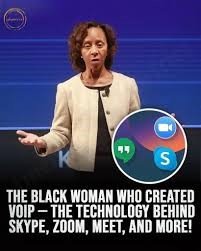
is a Vice President of Engineering at Google. She was previously the Senior Vice President of Research and Development at AT&T. She holds more than 200 patents. She was inducted into the Women in Technology International Hall of Fame in 2013. In 2022, Croak was inducted into the National Inventors Hall of Fame for her patent regarding VoIP (Voice over Internet Protocol) Technology. She is one of the first two Black women to receive that honor, along with Patricia Bath. Her invention allows users to make calls over the internet instead of a phone line. Today, the widespread use of VoIP technology is vital for remote work and conferencing. Patented 26 electronic devices, including the electronic control for the heart pacemaker and improved resistors used in computers and televisions.
George Washington Carver
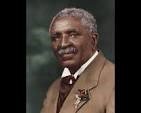
He was a renowned agricultural who brought science to the Tuskegee Institute as a inventor, and educator. He was famous for discovering hundreds of uses for peanuts and sweet potatoes, developing crop rotation to help Southern farmers, and teaching at Tuskegee Institute, all while humbly turning down lucrative offers to remain dedicated to helping people. He was also a talented artist, pianist, and advocate for sustainable farming, becoming the first African American honored with a national park named after him.
Charles Richard Patterson
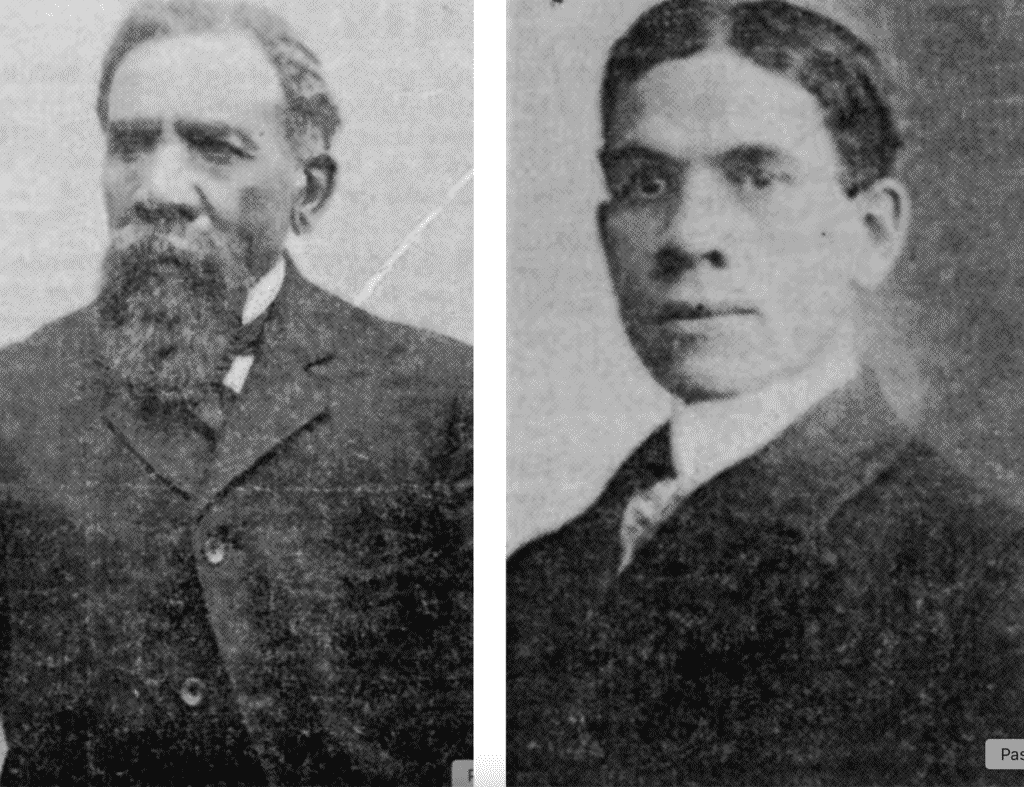
and his son Frederick Douglass Patterson. We were taught Herny Ford invented the American auto industry there was a Black man and his son before Ford. Who was purposely erased from history. Charles Richard (C.R.) Patterson Sr. was a skilled carriage maker. An American entrepreneur who started the C.R. Patterson & Sons carriage company. C.R. Patterson & Sons grew to be the first and only black-owned and operated automobile company on the continent. He had a son who carry on his legacy name Frederick Douglass Patterson. He manufactured automobiles, taking over his father’s carriage company, C.R. Patterson & Sons, and launching it to the Patterson-Greenfield car industry in 1915, making it the first and only Black-owned auto company in North America. They both were erased from textbooks and history.
Dr. Charles Drew
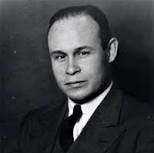
Known as the “Father of the Blood Bank,” he developed methods for processing and storing blood plasma on a large scale, which saved countless lives during World War II.
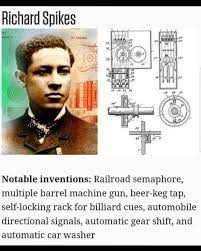
Richard B. Spikes
Richard Bowie Spikes was a mechanic, saloon keeper, barber and the inventor of several important patents throughout history. Born in 1878, Spikes was always on the move until he settled with his wife and son in California in the early 1900s. Here, he invented a beer-tapper, self-locking rack for billiard cues, combination milk bottle opener/cover and the horizontal swinging barber’s chair.
Benjamin Elijah Mays
Way before there was a Martin Luther King Jr., Benjamin Elijah Mays (1894–1984) was a pivotal educator, theologian, and civil rights leader known as the “schoolmaster of the movement.” He mentored generational leaders, including Martin Luther King Jr. when he was president of Morehouse College. He shaped the intellectual and spiritual foundations of the Civil Rights Movement by advocating for nonviolent resistance and Social Gospel theology.
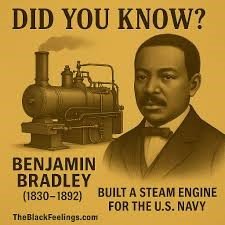
Benjamin Bradley
Benjamin Bradley was the first person to develop a working model of a steam engine for a war ship. Born in Maryland around 1830 Bradley was owned by an unidentified slaveholder in Annapolis, Maryland. While living in Annapolis Bradley worked for a printing company at a young age.
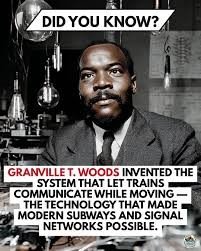
was a prolific African-American inventor known as the “Black Edison,” holding over 50 patents for electrical, mechanical, and railway innovations. A self-taught engineer, he revolutionized transportation safety with the “Synchronous Multiplex Railway Telegraph” and contributed to telephone and trolley technology.
Patricia Bath
She discovered and invented a new device and technique for cataract surgery known as laser-pha’co. Dr. Bath was the first woman ophthalmologist to be appointed to the faculty of the University of California at Los Angeles School of Medicine Jules Stein Eye Institute.
ontributed to telephone and trolley technology.
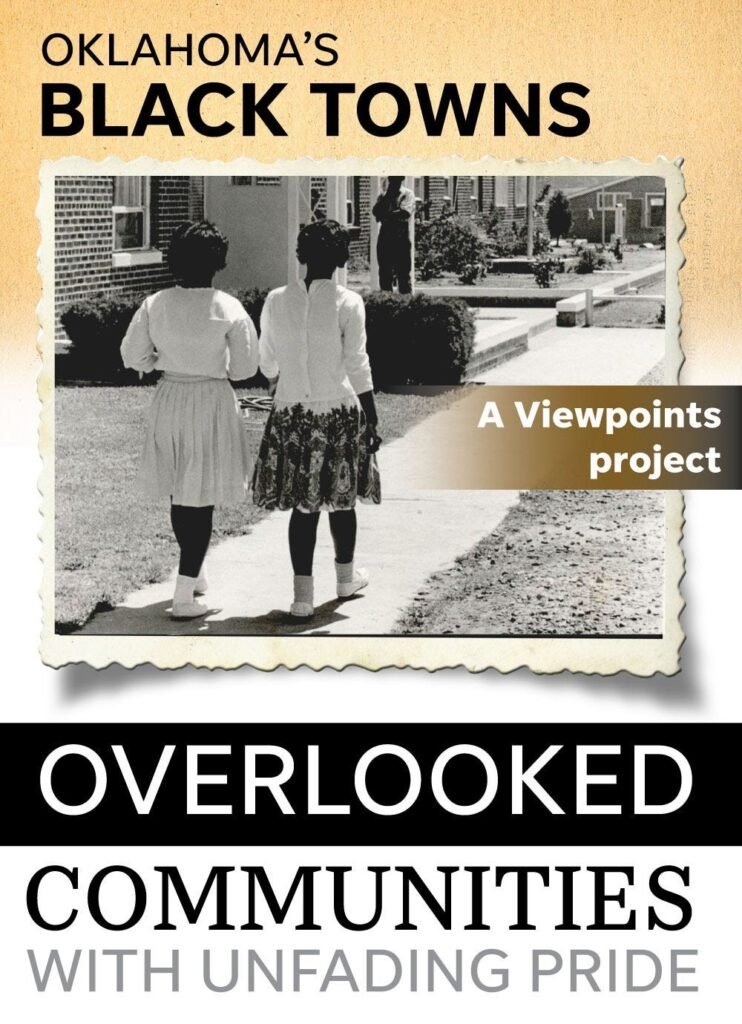
Thriving Black towns often omitted from history include Oscarville, GA (destroyed/submerged under Lake Lanier in 1912), Seneca Village, NY (razed for Central Park in 1857), Vanport, OR (destroyed by 1948 flood), and Tulsa’s Greenwood District (destroyed in 1921). These self-sufficient communities represented immense Black wealth and success.
Oscarville, Georgia: A prosperous Black community of over 1,000 residents in Forsyth County, it was destroyed by racial violence in 1912 and later submerged under Lake Lanier.
Seneca Village, New York: Located in what is now Central Park, this was a thriving 19th-century community where half the residents owned their own property.
Vanport, Oregon: Founded in 1942, it quickly became the second-largest city in Oregon and a major hub for Black shipyard workers during WWII, but was destroyed by a flood in 1948.
Tulsa’s Greenwood District, Oklahoma: Known as “Black Wall Street,” this was a self-sustaining, wealthy community destroyed during the 1921 Tulsa Race Massacre
Kowaliga, Alabama:A prominent early 20th-century Black community with its own railroad, later submerged under Lake Martin.
Brooklyn, Illinois:Founded in the 1830s, often cited as one of the oldest1Facebook Black towns.