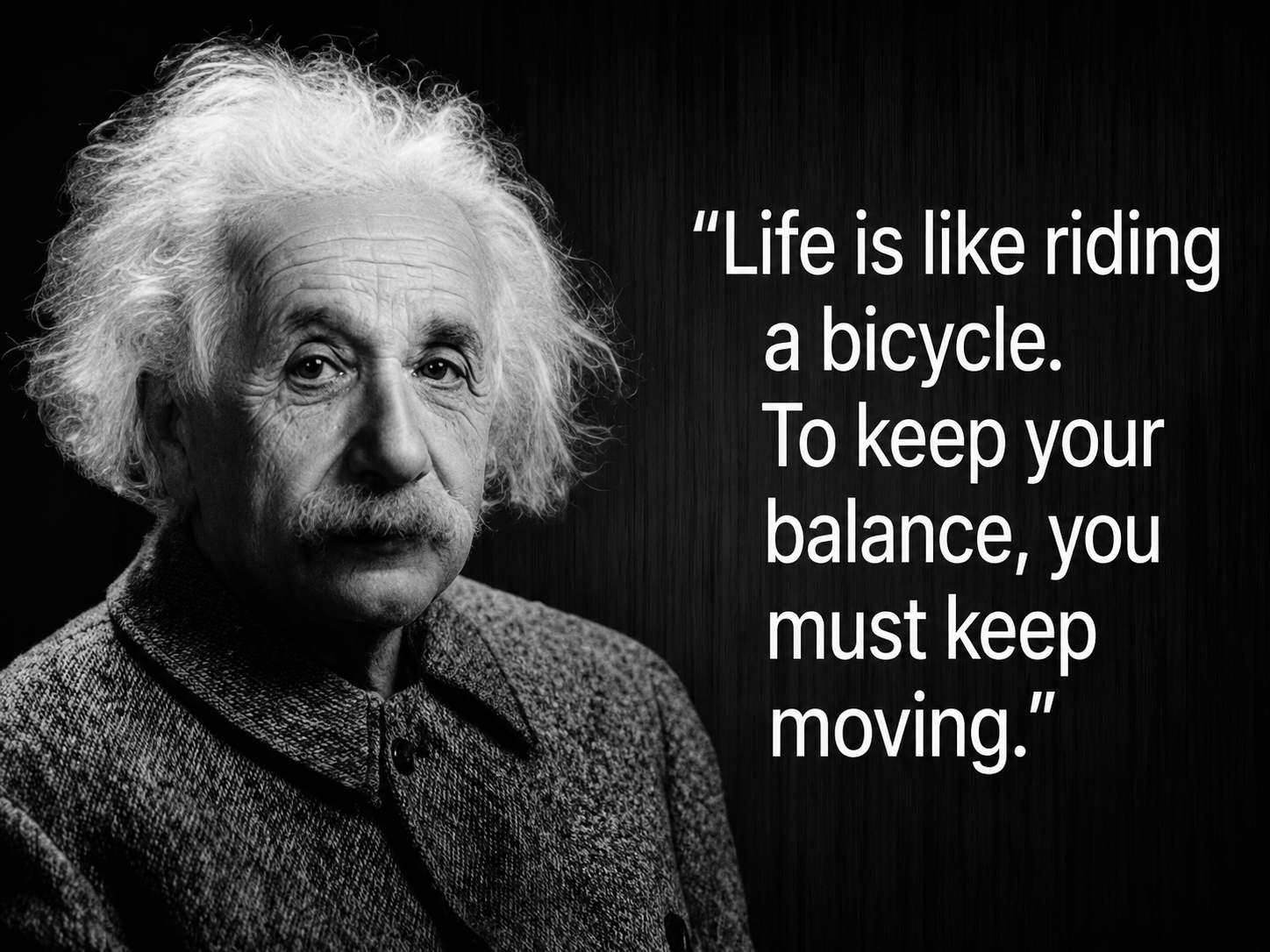
In this powerful narrative “life is like riding a bike” an experience learnt to ride a bike in itself, is a struggle that directly mirrors in analogy life’s challenges. For example, Toddler (age 1-5) they learn basic mobility, through continuous wobbling and falls and their talk language begin to slowly form words. Little children ages (5-12) experience each stage as a mile stone of growth. Cognitive markers of specific emotional, and physical developmental are a slow advancement process. Early Teenager years (13-19) formsignificant identities, they rebel, have intense emotional feelings, and are quick to take-risk as they bridge teenage-hood toward young-adulthood. Through life lived experiences and learning basic lessons this stage becomes complex. As they go through and get over situations wisdom supposed to advance along with a developmental value system. After relying parents, they become self-determined, responsible, and self-sufficient. As learning to ride a bike in life’s challenges, one considers to look in a mirror. This is an analogy of gradual independent shifting and autonomy. Ages (20-40) years as like continuing to ride a bike careers, relationships, sometimes marriages, and children are born. These gradual evolving adult shifts towards social growth roles of being a boss, parent, and then, in older adulthood (50-60) now grandparents with grandchildren. As learning to ride a bike, learning to swim, and learning to roller skate one learns and then, relearn to stay study and keep moving through one’s own independent taught values, and judgments. Being an personal autonomous circle. By Dr. Melvaughn Thompson
God Word
As analogy of falling and getting back up is liken to riding a bike. To learn to ride we fall and hop on trying again. Same as learning God Word we close the book than go back to open the book to read and learn the Word of God over and again